Ilford market stall flower trading permits how to apply
Posted on 03/10/2026
If you are thinking about selling flowers on a market stall in Ilford, the permit side can feel a bit more complicated than the flower side. The blooms are the easy part, to be fair. The paperwork, trading rules, pitch permissions, and local checks are where people often slow down. This guide to Ilford market stall flower trading permits how to apply explains the process in plain English, so you can understand what is usually needed, how applications tend to work, and how to avoid the mistakes that hold new traders back.
Whether you want to trade roses, seasonal bouquets, wedding stems, or sympathy flowers, the key is knowing what permission you need before you set up for the first time. You will also find practical advice on choosing the right trading setup, preparing supporting documents, and staying on the right side of market rules once you are approved. Let's face it: a good stall starts long before the first bunch of flowers is laid out in the morning chill.
By the end, you should have a much clearer picture of the application journey and the decisions that matter most. And if you already run a floristry business, this can help you expand into market trading with fewer surprises.
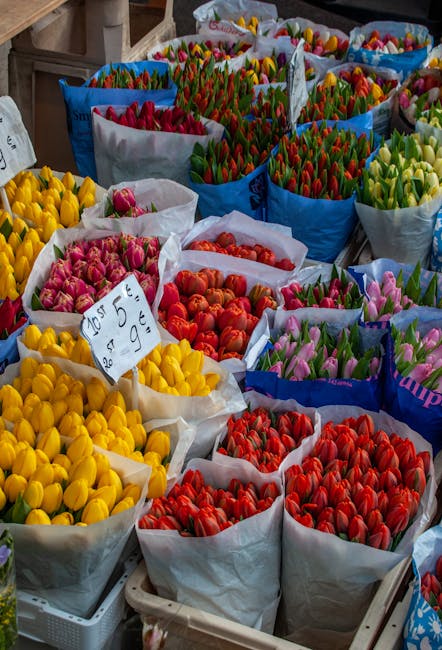
Why Ilford market stall flower trading permits how to apply Matters
Flower trading on a market stall is not just a cheerful display and a folding table. In most cases, it is a regulated trading activity that sits within a market operator's rules, local trading policies, and general business compliance. If you are trying to work out Ilford market stall flower trading permits how to apply, you are really trying to answer a bigger question: what permission do I need to sell legally and confidently in a public trading space?
That matters because the permit or licence is what helps you trade without awkward interruptions. Without the right approval, you can run into problems with pitch allocation, enforcement, market access, insurance expectations, and even supplier confidence. A stallholder who looks organised is more likely to build trust quickly, and in a busy place like Ilford, trust is half the battle.
There is also a practical side. Flower trading is seasonal, weather-sensitive, and timing-heavy. If you miss a weekend, a wedding order, or a key date like Valentine's Day, you do not get that day back. Having your permit sorted means you can focus on stock, presentation, and customer service instead of scrambling for permission at the last minute.
Expert takeaway: Treat the permit as part of your trading toolkit, not just a formality. Good paperwork makes the rest of the business feel calmer, and calmer is usually better for sales.
There is another reason this topic deserves proper attention. People often assume a market stall is a simple pop-up. In reality, there may be pitch rules, trading hours, waste arrangements, display restrictions, and expectations around public safety. Knowing those basics early saves time and, frankly, a few headaches.
How Ilford market stall flower trading permits how to apply Works
The exact process can vary depending on the market operator, the type of stall, and whether the pitch is run privately or under local market arrangements. Still, the general flow tends to look similar. You identify the market, check whether flower trading is allowed, find out what permission is required, and then submit an application with the details they ask for.
In many cases, a permit is not just about being allowed to sell flowers. It may also tie into where your stall sits, how often you can trade, what stock you can bring, and what standards you must meet. For example, some operators may want to know whether you are selling cut flowers, potted plants, bouquets, seasonal wreaths, or mixed gift items. It sounds fussy, but it helps them manage the market properly.
The application usually asks for basic business information, contact details, proof of identity, trading names, and sometimes public liability insurance. If you already operate as a florist, having a clear business description helps. If you're new, a simple outline of your flower range and selling plan can be enough to start the conversation.
One thing people underestimate is timing. If the market works with limited pitches, a permit can be subject to availability, approval windows, or waiting lists. So even if the forms themselves are straightforward, the process around them may not be instant. Early planning helps. Very often.
Some traders also need to think about whether they are moving from an online or shop-based model into market trading. That shift changes the rhythm of the business. You are handling customers face to face, dealing with footfall patterns, and keeping flowers fresh in a much more exposed environment. A market stall is lively, but it asks more of you than people expect on day one.
Key Benefits and Practical Advantages
Getting the correct flower trading permit is about more than compliance. It can improve how your business operates day to day. If you choose the right pitch and understand the permissions properly, a market stall can become a strong local sales channel.
- Local visibility: A market stall puts your flowers in front of regular foot traffic, commuters, and impulse buyers.
- Direct customer contact: You can learn what people in Ilford actually buy, rather than guessing from behind a screen.
- Faster feedback: You will know quickly which colours, price points, and bouquet styles sell best.
- Flexible trading: A permit can open the door to seasonal or part-time trading rather than a full shop commitment.
- Brand building: Market presence can strengthen recognition for your name, style, and service.
There is a practical advantage that gets missed a lot: a permit can help you plan stock more intelligently. If you know your pitch days and expected trade pattern, you can buy fewer wasted stems and build tighter bouquets. That means better margins, which every florist notices in the long run.
For some sellers, the market also becomes a testing ground. You can trial new lines like seasonal mixed bouquets, sympathy sprays, or gift bundles before expanding them further. A small crowd on a Saturday morning can tell you more than a week of spreadsheets. Brutally honest, but useful.
If your business already offers delivery, a market stall can complement it nicely. For example, customers may discover your range at the stall and then use your flower delivery in Ilford service later for birthdays or anniversaries. That kind of crossover is often where the value lives.
Who This Is For and When It Makes Sense
This topic is relevant to a wide range of people, not just established florists. If you are trying to enter the flower trade through a local market, the permit question is usually one of the first steps.
You may need this if you are:
- a new florist wanting to test a stall before investing in a shop
- an existing flower business looking to add a market pitch in Ilford
- a seasonal trader selling bouquets, wreaths, or event flowers
- a small business owner expanding into face-to-face sales
- someone trading on behalf of a family business or community enterprise
It also makes sense if you want more control over local delivery and customer service. Some customers prefer to pick up flowers on the spot, choose stems in person, and ask about care tips. Others simply like the energy of buying from a market. You know the feeling: quick hello, a decent bunch of tulips, then off you go.
The permit route may be less suitable if you only want occasional sales with no fixed pitch, or if your trading pattern is very irregular. In that case, you may need to ask whether temporary trading permissions, guest pitches, or special event permissions are better than a regular stall permit. The point is not to force one model when another fits more naturally.
If your wider business is already set up for flower sales, browsing options like flower shops in Ilford can help you think about how a stall might support your existing local presence. It is often less about choosing one channel and more about building a sensible mix.
Step-by-Step Guidance
Below is a practical way to approach Ilford market stall flower trading permits how to apply. The details may vary by market, but the logic usually stays the same.
- Identify the market and trading day. Check exactly where you want to trade, which days are available, and whether the market allows fresh flowers, potted plants, or mixed floral products.
- Confirm the type of permission required. Some markets use a stall permit, some use a trader licence, and some require a pitch agreement. The wording may differ, but the aim is the same: permission to trade.
- Gather business details. Have your trading name, contact information, product range, and basic business setup ready. If you are registered as a sole trader or limited company, keep those details handy too.
- Prepare documents. You may be asked for proof of identity, insurance, VAT details if relevant, and sometimes references or product descriptions.
- Describe your floral offer clearly. Be specific about what you plan to sell. Fresh bouquets, funeral tributes, wedding flowers, seasonal arrangements, or gift add-ons all paint a better picture than "flowers and stuff."
- Submit the application carefully. Double-check every field. A missing phone number or unclear business description can slow things down more than you might expect.
- Respond quickly to follow-up questions. If the market operator asks for more information, answer promptly and keep your tone professional.
- Understand the conditions. Read the permit terms, including hours, stall location rules, waste handling, display limits, and renewal dates.
- Set up your stall properly. Once approved, plan refrigeration, water, pricing, signage, and packaging so you can trade cleanly and efficiently.
Here is a simple way to think about it: the application is not just a form, it is your first impression. A neat, complete application suggests a trader who will also keep a neat, reliable stall. And markets do notice that.
If you are also offering event flowers, you can shape your stall around the most relevant customer needs. For instance, wedding-ready bouquets, bridal pieces, or buttonholes may sit well alongside everyday bunches. You might even point customers to wedding flowers in Ilford if they need a fuller consultation later.
Expert Tips for Better Results
A good application is only the start. What happens after approval is where a lot of stalls either shine or quietly struggle. A few small habits make a big difference.
- Write a concise business summary. Operators tend to respond better when they can quickly understand what you sell and who you serve.
- Bring a seasonal plan. Flowers move with the calendar. A stall that shows awareness of spring, summer, remembrance dates, and holidays often feels more professional.
- Keep a simple stock list. Know your top sellers and your backup lines. If roses are slow one week, tulips or mixed bunches may step in.
- Make pricing easy to read. Nothing drains momentum like a customer having to ask the price of every bunch. Keep signs clear.
- Think about handling and freshness. Flowers need shade, hydration, and sensible transport. Even a beautiful arrangement can lose appeal if it wilts by lunch.
A small human detail here matters. On a windy morning, a good stall setup can save your day. A weighted display, water buckets tucked neatly, and simple wrapping materials within reach can be the difference between calm trading and a bit of a scramble. You do not need to be glamorous. You need to be ready.
Also, do not overcomplicate your first pitch. Better to trade well with a modest range than to pile on too many products and end up stressed. Clean presentation, fresh stock, clear prices, and friendly service. That is a strong start.
If you are drawing up your first product range, it may help to compare everyday bouquet categories with occasion-specific lines such as birthday flowers or sympathy flowers. Different audiences buy for different moments, and a market stall can serve more than one if the mix is balanced.
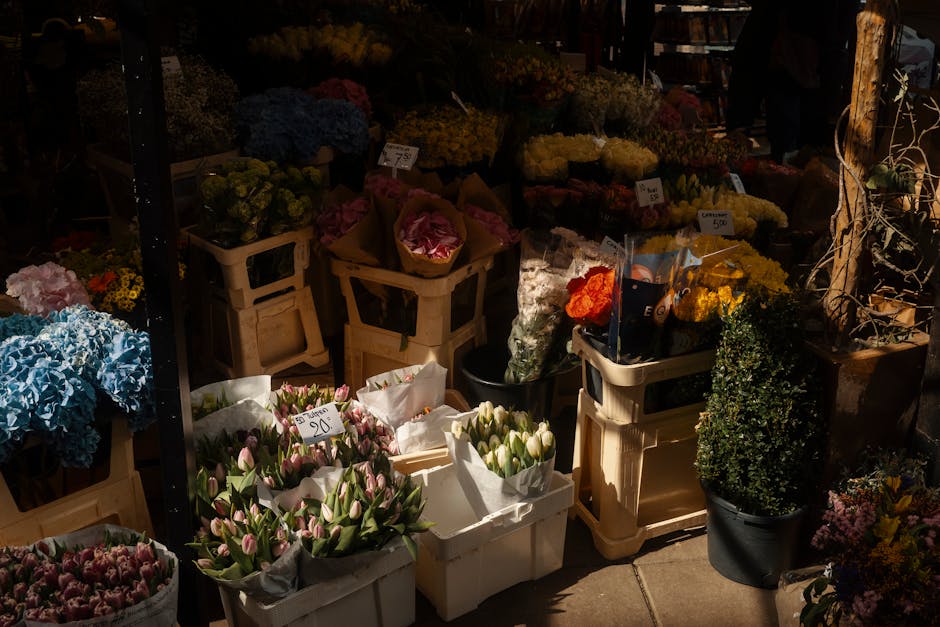
Common Mistakes to Avoid
Most permit problems come from avoidable oversights, not serious misconduct. That is the good news. The bad news is that the avoidable bits are exactly the ones people rush.
- Assuming all markets work the same way. They do not. One market may be very flexible while another is strict about pitch type and hours.
- Submitting a vague description of your products. If you sell floral gifts, cut flowers, and event arrangements, say so clearly.
- Forgetting insurance or business documents. Missing paperwork can delay approval even when the rest of the application is fine.
- Ignoring renewal dates. A permit is only useful if it stays current.
- Underselling your setup capability. If you can trade safely and professionally, say that. If you need time to arrange equipment, be honest.
Another common mistake is treating the permit as separate from the business model. In reality, your stall, pricing, supply chain, and customer service all work together. If the permit says you can trade, but your stock turns up late or your display is unclear, the approval only solves half the problem.
It is also worth avoiding the "I'll sort it later" mindset. Later tends to arrive right when you are busiest. Quite rude, really.
Tools, Resources and Recommendations
You do not need a huge toolkit to get started, but a few practical items will make the application and trading process much smoother.
- Business folder: Keep copies of your ID, insurance, application notes, and permit terms in one place.
- Product list: A short written summary of your flower range helps with forms and follow-up conversations.
- Price board or labels: Good for both compliance and sales clarity.
- Cold storage or insulated transport: Important for freshness, especially on warm days.
- Waste and water plan: A tidy stall is easier to manage and leaves a better impression.
It also helps to have a proper customer-facing page for your business details. Many traders use a local florist page to back up market trading, such as florist Ilford IG1, so customers can find the brand after seeing the stall. That kind of continuity is useful. People often browse first, buy later.
If you accept pre-orders or want to extend market sales into other channels, services like same day flower delivery in Ilford and next day flower delivery in Ilford can give your stall a wider commercial role. The market then becomes one part of a larger sales system rather than an isolated stand.
For product planning, it can also help to keep a rotating list of best-sellers and seasonal items. Browsing collections such as best sellers, summer flowers, and florist choice can spark ideas for what works well in a fast-moving stall environment.
Law, Compliance, Standards, or Best Practice
Because flower trading involves public sales, you should assume there are compliance expectations even when the process feels informal. The exact legal position depends on the market setup and local trading arrangements, so it is sensible to confirm the relevant requirements before you trade.
In practical terms, common areas to check include:
- whether the market has its own trader terms and pitch rules
- what insurance is expected
- how public safety and stall setup should be handled
- whether there are restrictions on generators, displays, or waste disposal
- how data, payments, and customer information are managed if you take orders
Best practice usually means being neat, transparent, and prepared. If you are selling flowers with fresh water on display, make sure the stall is stable and clean. If you are handling cards, gifts, or add-ons, keep those items separate enough to avoid clutter. If you are trading near food stalls, be especially thoughtful about spill control and footfall flow.
Health and safety may sound dull, but in a market it is just common sense with paperwork attached. Wet floors, uneven surfaces, and overpacked displays all create avoidable risks. Your stall should look pleasant, but it should also feel easy to move around. Customers notice that, even if they never say it out loud.
For businesses that also handle more sensitive arrangements, such as funeral flowers, compliance and presentation standards matter even more. A respectful range like funeral flowers in Ilford or categories such as tributes often need extra care in both display and wording. That's not about being formal for the sake of it. It is about matching the customer moment properly.
Options, Methods, or Comparison Table
If you are deciding how to trade flowers locally, it helps to compare the main route options side by side. A market stall is not always the only answer, but it can be a strong one when you want direct local presence.
| Trading option | Best for | Strengths | Possible drawbacks |
|---|---|---|---|
| Regular market stall | High-footfall local sales and brand visibility | Direct customer contact, impulse purchases, local reputation | Weather exposure, pitch rules, physical setup demands |
| Shop-based florist model | Stable trading and broader service range | Consistent presence, more display space, easier storage | Higher overheads, less flexibility, less mobility |
| Online and delivery-led model | Convenience-focused customers and pre-orders | Wider reach, delivery options, less reliance on foot traffic | Less face-to-face selling, heavy competition, packing demands |
| Hybrid model | Businesses that want to mix local trading channels | Better resilience, multiple income streams, broader customer base | More moving parts to manage, slightly more admin |
For a lot of traders, the hybrid model is the sweet spot. A market stall brings in new local customers, while delivery or shop sales help smooth out quieter days. If you are trying to grow steadily rather than chase one-off sales, that balance can be very sensible.
Still, if your main goal is to test demand in Ilford before investing more heavily, a stall permit may be the cleanest first move. It keeps risk lower and gives you real customer feedback. Simple, but effective.
Case Study or Real-World Example
Imagine a small florist preparing to trade on a Saturday market in Ilford. They already make hand-tied bouquets at home, but most sales so far have come through friends, family, and occasional online orders. They want to test whether customers will buy mixed bouquets, roses, and seasonal stems in person.
Instead of arriving with too many products, they prepare a narrow range: a few price points, clear labels, fresh water buckets, and a straightforward business description for the permit application. They include their contact details, explain that they sell gift bouquets and occasional sympathy arrangements, and confirm how they will keep stock fresh through the morning.
The market operator asks for a bit more detail about stall size and display setup. Nothing dramatic. The florist replies quickly, gets the pitch agreed, and starts with a modest stall. On the first cold morning, they notice something useful: customers like being able to see and smell the flowers before buying. The bunches that looked strongest in the kitchen table test also perform best on the stall. That feedback shapes the next week's buying.
What made the difference? Not magic. Just preparation. The permit application was clear, the setup looked professional, and the trader had thought through the real-world flow of selling flowers outdoors. That kind of preparation is worth a lot. More than people think, honestly.
They also discovered that their market customers later ordered delivery for birthdays and thank-yous, which helped turn one stall into a broader local customer base. A good first pitch can do that. It opens doors you did not even know were there.
Practical Checklist
Use this checklist before you apply and again before your first trading day. It is a simple way to keep the process grounded.
- Confirm the exact market and trading date
- Check whether flower stalls are permitted
- Identify the correct permit, licence, or pitch agreement
- Prepare business name and contact details
- Write a clear description of your flower range
- Gather identity and insurance documents if required
- Read the stall conditions carefully
- Plan how you will transport and keep flowers fresh
- Price your products clearly and simply
- Set up a tidy waste and water handling routine
- Prepare for seasonal changes in demand
- Keep a note of renewal dates or review points
If you can tick off most of that list, you are already ahead of many first-time traders. Not because you are doing anything fancy, but because you are being organised. That matters in markets.
Conclusion
Applying for an Ilford market stall flower trading permit is really about building a smooth, reliable route into local flower sales. Once you understand the permit type, the trading conditions, and the basic paperwork, the process becomes much less intimidating. You do not need to know everything on day one. You just need a clear plan, the right documents, and a realistic idea of how market trading works in practice.
The best results usually come from traders who keep things simple at first: clear product range, neat display, fresh stock, and prompt communication with the market operator. Do that well, and the rest has a way of settling into place. One small step at a time, really.
If you are ready to move forward, use the guidance above to prepare your application, review your trading setup, and make sure your flower business is positioned for a strong start in Ilford.
Get a free quote today and see how much you can save.
And if all of this feels like a lot, that is normal. Most good stalls begin with a bit of uncertainty, then a good cup of tea, then a proper plan.
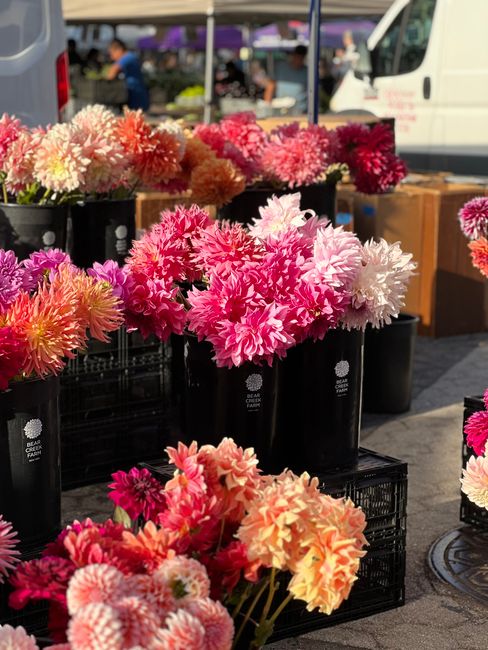
Frequently Asked Questions
What is an Ilford market stall flower trading permit?
It is the permission or trading approval you need to sell flowers from a market stall in Ilford. Depending on the market, this may be called a permit, licence, pitch agreement, or trader authorisation.
How do I apply for a flower trading permit in Ilford?
You usually need to identify the market, check whether flower trading is allowed, gather your business details and documents, and submit an application to the market operator or responsible trading body. The exact process can vary, so always check the rules for the specific market you want.
Do I need insurance to trade flowers on a market stall?
In many cases, yes, or at least the market may expect it. Public liability insurance is commonly asked for in trading environments, but the exact requirement depends on the market's terms.
Can I sell both flowers and gifts from the same stall?
Often yes, if the market allows it and your permit covers that type of trade. Many flower traders also sell cards, balloons, or small gifts, but it is wise to list all product types in your application.
How long does the application process take?
That depends on the market, the availability of pitches, and whether extra documents are needed. Some applications move quickly, while others take longer if there is a waiting list or a review period.
Is a market stall better than a flower shop?
Neither is automatically better. A stall offers local visibility and flexibility, while a shop offers stability and more controlled display space. Many businesses use both approaches together.
What flowers sell best at market stalls?
That depends on the season and local demand, but popular choices often include mixed bouquets, roses, tulips, lilies, and affordable florist-choice bunches. Seasonal stock usually performs well because it feels fresh and relevant.
Can I trade flowers in Ilford as a temporary seller?
Sometimes yes, but temporary trading usually needs separate permission. If you only want to trade occasionally, ask whether guest pitches, short-term permits, or event permissions are available.
What if my permit application is refused?
If that happens, ask for the reason and whether you can reapply or provide missing information. Sometimes refusals are about availability, not quality of the application. A clear follow-up can help.
Do I need special permission for wedding or funeral flowers?
Not always a separate permit, but you should make sure your stall and application clearly cover those products. Because those flowers can involve special presentation or sensitivity, it helps to describe them carefully.
Should I use a fixed stall or a casual pitch?
If you want regular trade and a consistent customer base, a fixed stall is usually easier to build around. If you are testing the market or trading infrequently, a casual pitch may suit you better if the market offers that option.
What is the biggest mistake new flower traders make?
Probably under-preparing. That can mean vague applications, poor stock planning, or a stall setup that looks nice in theory but is awkward in the real world. The good news is that all of that can be improved quickly with a bit of planning.


